Parenting
Careers
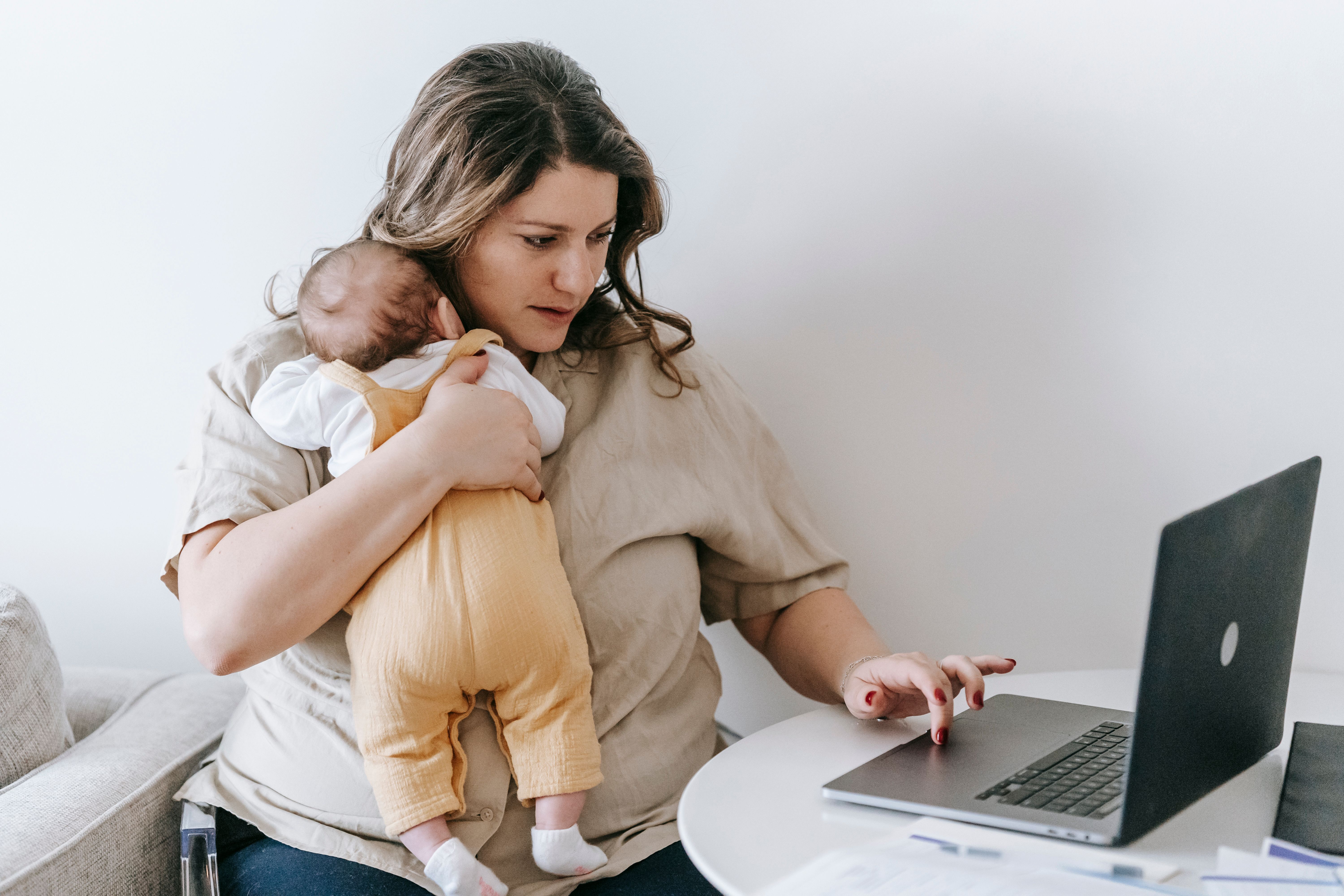
How employers can better support new mums when they return to work
|
Amberley Davis
Returning from maternity leave is often treated as a simple transition - leaving many mums to navigate the process by themselves.
When a mum returns from maternity leave, who is responsible for making that transition successful? Is it the employee, expected to navigate the return herself? Is it the manager, responsible for day-to-day support? Or is it HR, tasked with creating the framework for a smooth reintegration?
The reality is that every organisation approaches it differently. But regardless of how responsibilities are divided, one question remains: is the process actually delivering the support mothers need to return and thrive?
The evidence suggests it isn’t. According to research by Matri Maternity Coaching, more than a quarter (27%) of UK mums either don’t return to work after maternity leave, or leave within a year of coming back, with most blaming a lack of support or poor return-to-work policies.
So what can we do to make the return-to-work process actually work?
Zoe Duce was confronted by this issue when she had her first child. Following a 10-year career in media, she found herself navigating reintegration, motherhood and depression, and found that the system was lacking. Now, she runs Movethru, helping professional parents stay in the careers they have worked so hard for.
Duce believes it’s the lack of shared accountability and communication that ultimately fails thousands of mums each year. These transition plans exist, but there’s an inherent “winging it” mentality.
Why return-to-work support for new mothers often falls short
“Nobody is owning the process,” says Duce. “Not the HR team, not the managers. I really believe it should be a partnership between mothers and these teams. No matter how prepared or ‘on it’ an employee is, they can't succeed without the help from their manager - and vice versa.”
Duce, who helps companies hold onto their high performing parent employees, finds that managers often don’t expect to manage the team member who goes on maternity leave. She says they are “out of sight and out of mind” – and are “often ignored under the guise of being given space”.
“Yet in reality, there are still quite a few things to do,” Duce adds, “especially if managers want to increase the chance of that employee experiencing a successful return.”

(Vitolda Klein / Unplash)
What happens before and following leave is equally important. But employers also tend to underestimate these transition periods. Currently, preparation beforehand is almost always driven by an ‘employee versus manager’ dynamic. On their return, employees are expected to fit right back in, even though their teams, work and lives have most likely changed.
Misconceptions appear to sit at the heart of the issue. In Duce’s experience, neither managers nor expectant mums really know what the process is. But both tend to assume that the other is taking the lead. Upon returning to work, many women are then facing the outdated fallacy that they lose ambition when they become mothers.
“I often think that if an employer knew just how much it had taken for a professional mother to get to her desk every morning, there would be no doubt in their mind just how committed they are to their career,” she remarks.
How to improve the ‘return to work’ process after maternity leave
To tackle the inadequacies, Duce has created a joint maternity leave plan for both employees and managers to work through together. She shares the key things that she believes make the biggest difference in long-term staff wellbeing and retention.
A clear communication plan
Open communication throughout the process of maternity - from announcement through to the first few months of return - is key to preventing both sides working off assumptions.
“Agree a communication plan between manager and employee. As the one going on maternity leave, include what you want to be contacted about and how, for example, new starters or positions in your team. This helps to avoid so many sticky situations.”
More than a quarter (27%) of UK mums either don’t return to work after maternity leave, or leave within a year of coming back.
Stringent use of KIT days
A ‘catch-up’ coffee with colleagues is nice, but Keeping in Touch (KIT) days can be used for more than that.
“Instead, use these moments to catch up with company news, train on new processes and meet new people in the company. Mums can also try and line up nursery ‘settling in’ days with KIT days, using these times to practise the new commute and routine.”
A 90-day post-return process
The first 90 days after maternity leave should be supported by clearly outlined priorities and regular feedback sessions, taking place more frequently than usual company feedback touchpoints.
“Letting a returning team member know they're on track helps avoid a lot of anxiety, overworking and burnout in those first few months.”
Flexibility is key
The logistics of being a working parent can be a nightmare – and take many by surprise. There’s a huge discrepancy between work hours, childcare and school times. Curveballs like sickness or nursery or school closures can quickly derail plans.
As such, Duce also feels passionately about providing working parents with back-up plans. These include setting up plans B and C for babysitters, creating a 3-4 hour weekly buffer so that they can still make deadlines despite emergency pick up disruptions, and setting work up in a way that’s easy to swap things around.
Proper planning can help mitigate surprises and unforeseen challenges. But, you can’t predict every surprise – and childhood virus – that will trip up your day. So while having a back-up system is important, the onus is on employers to be flexible too.

