
Careers
Leadership
How to find yourself when the job that defined you disappears
|
Lydia Smith
When your career changes, it can feel like part of you has disappeared with it. Here’s how to reconnect with who you are beyond your job title.
If you’ve spent years building a career, it’s not easy when your job changes, disappears or no longer meets your needs. Maybe you’re a journalist disillusioned with the advance of AI in newsrooms, or the hours of your senior level corporate job aren’t working after having a family. So, you find yourself adrift – wondering what to do, which direction to take and in some cases, who you are.
It’s not always as simple as finding a new job. For many of us, our work is deeply intertwined with our sense of identity. It can provide purpose, meaning, belonging and even a sense of community. So when things change, it can leave us feeling disorientated.
Carole Pyke, a career expert, TEDx speaker and founder of Words That Deliver, helps women work out who they are professionally and personally after redundancy, burnout, illness, motherhood, divorce or bereavement. Her expertise is shaped in part by her own experience of losing her sense of identity. In 2019, she suffered a stroke that caused retrograde amnesia. When she didn’t recognise the woman looking back at her in the mirror, it launched a profound journey of self-discovery.
“When something that has been a major part of our lives changes or disappears, it can feel as though part of us has disappeared with it,” says Pyke.
Often, she says, the rhetoric around change is about becoming the ‘new you’ – but this isn’t always helpful. “I believe we need to do something different. We need to stop and discover what is still there,” she explains.
“When I suffered the stroke, I had to do this in a very literal way. That’s how I think about identity after change. Start with ‘who am I now’ and then get curious. What matters to me? What is still there when the familiar labels and roles are stripped away?” she adds.
“A big life change may alter your circumstances, your priorities and even what you are able to do, but that doesn’t mean you need to manufacture a new identity.”
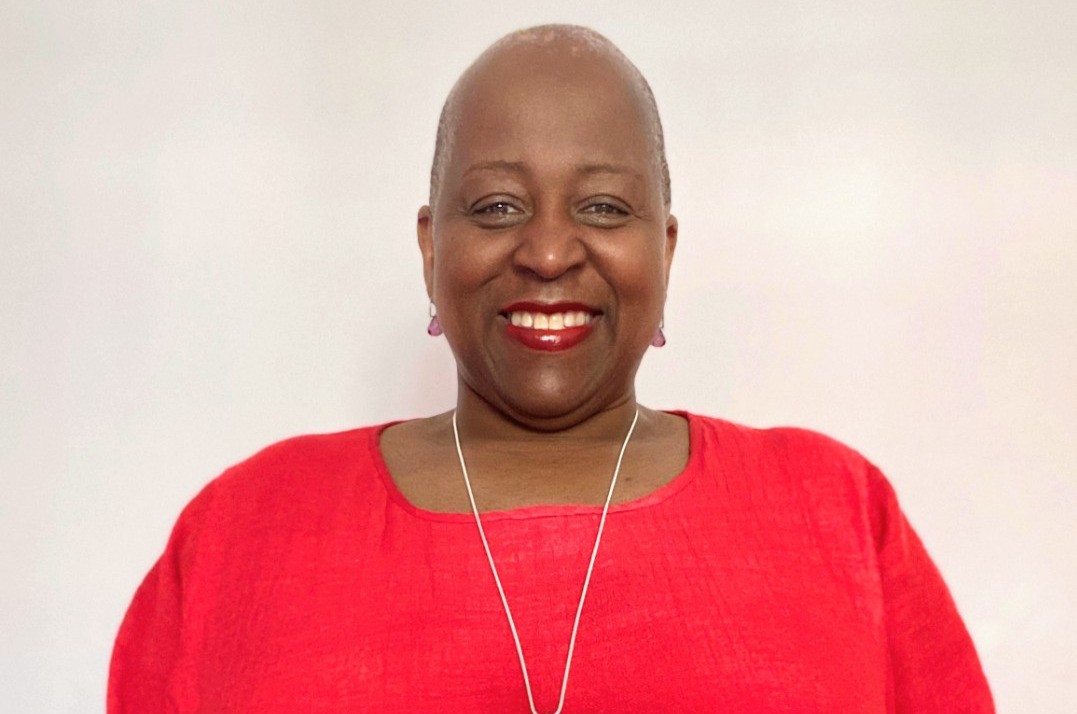
(Carole Pyke)
How to find out who you are after a job change
Try self-reflection exercises
Recognising who you are after a significant change requires self-reflection. “That is bigger than a list of skills or what appears on your CV. It includes your experience, perspective, strengths, values, the way you think, the problems you solve and the contribution you make,” says Pyke.
You could try listing your peak moments, when you felt more engaged and excited, as well as your achievements. Think about your core values, like helping others or being creative. You could also create an audit of your practical skills, listing what you do well – like organising events or supporting others – and what drains you of energy.
Explore new career possibilities
Have conversations with people in roles that interest you. Ask about their day-to-day work, what they enjoy and what they find challenging, and whether their answers fit with your likes, dislikes and values.
If possible, you could shadow someone or take on some voluntary work in a different field to see what the job is really like. Personal projects, like a creative side hustle, can be a great way to do something different.
We all still need to earn a living, so exploring new possibilities on the side can be a practical way to experiment while doing a ‘day’ job to bring money in.
Leave behind other people’s expectations
We often carry the weight of other people’s expectations without even realising it. Our upbringing, education and the messages we absorb from those around us can leave us wanting to please or impress others can leave us wanting to please or impress others, which can influence the career choices we make. We might pursue jobs that look successful from the outside, but don’t actually feel fulfilling or fit with what we need.
“Ask yourself: What do I want from work now and what matters to me?” says Pyke. “What are my priorities? Which parts of myself do I want the opportunity to use? What kind of environment allows me to contribute at my best?”
Remember that careers change
Jobs and careers evolve over time, and not always in ways that we like. Often, how we envision a career isn’t how it actually pans out. This is why it’s so important to recognise and remember who you are beneath a job, says Pyke.
“Roles tell us something about what we do, but not who we are. That is the disconnect,” she explains. “The problem arises when we become so attached to a title, relationship or role that, when it changes or disappears, we feel as though we have disappeared with it. Knowing who you are allows you to recognise the value you bring to the table, regardless of the title on your business card or the role you happen to occupy at that moment.”

